
comparissenusvsca
Diving & Underwater Tourism

Real People, Real Transformations

These aren't polished marketing stories — they're actual accounts from people who took the plunge into underwater careers. Some started from scratch. Others switched from completely different fields. Each found their own path through our programs.

What strikes me most about these journeys is how different they all are. There's no single formula. Some folks landed dive instructor roles within months. Others built careers in marine conservation or underwater photography that took years to develop.

Underwater diving training session with instructor and students

From Office Cubicle to Coral Reefs

Dive Instructor

Felicity Breckenridge spent eight years in financial analysis before joining our divemaster program in March 2024. She completed certifications by September and now leads dive groups in the Caribbean.

Professional diving equipment preparation for underwater expedition

Building a Marine Research Career

Research Dive Specialist

Thurston Galbraith combined our advanced diving courses with his biology degree. After finishing in January 2025, he joined a marine research team studying reef ecosystems off the Pacific coast.

Second Career at Fifty

Technical Dive Coordinator

Changing careers at fifty felt risky, but the structured approach worked. Completed technical diving training over fourteen months and now coordinate deep-water inspection projects for maritime companies.

Portrait of dive professional sharing career experience

The program didn't sugarcoat anything. I knew going in that this would take time and serious effort. What I didn't expect was how much the hands-on training would push me beyond what I thought I could handle. By month seven, I was leading practice dives. That confidence shift was massive.

Alaric Drummond Commercial Dive Operator, Seattle

A Typical Development Path

1

Foundation Training (Months 1-3)

Basic certifications and pool training sessions. Most students dedicate 15-20 hours weekly. This phase covers safety protocols, equipment familiarity, and initial open-water dives.

2

Skill Development (Months 4-8)

Advanced techniques and specialized training begin. Students choose focus areas like rescue diving, underwater navigation, or equipment maintenance. Weekend dive trips become regular practice.

3

Professional Preparation (Months 9-12)

Leadership training and instructor-level coursework for those pursuing teaching roles. Others focus on technical diving or research applications. Internship opportunities start opening up.

4

Career Launch (Month 12+)

Job placement support connects graduates with dive shops, research programs, or commercial diving operations. Some start immediately, others continue building experience through volunteer work first.

Where Our Graduates Work Now

127
Certified Dive Professionals
43
Marine Research Positions
89
Active Dive Instructors
31
Commercial Dive Roles
Professional diver documenting career development journey

Kestrel Pemberton

Underwater Photographer & Guide

Started with zero diving experience in February 2024. Photography background helped, but learning to shoot underwater while managing dive equipment was a whole different challenge. Finished advanced training by November and started freelancing for dive tourism companies this spring.

  • Published work in three regional tourism magazines
  • Leads photo dive expeditions in Puget Sound
  • Completed 180+ logged dives in first year
  • Built client base through local dive shops
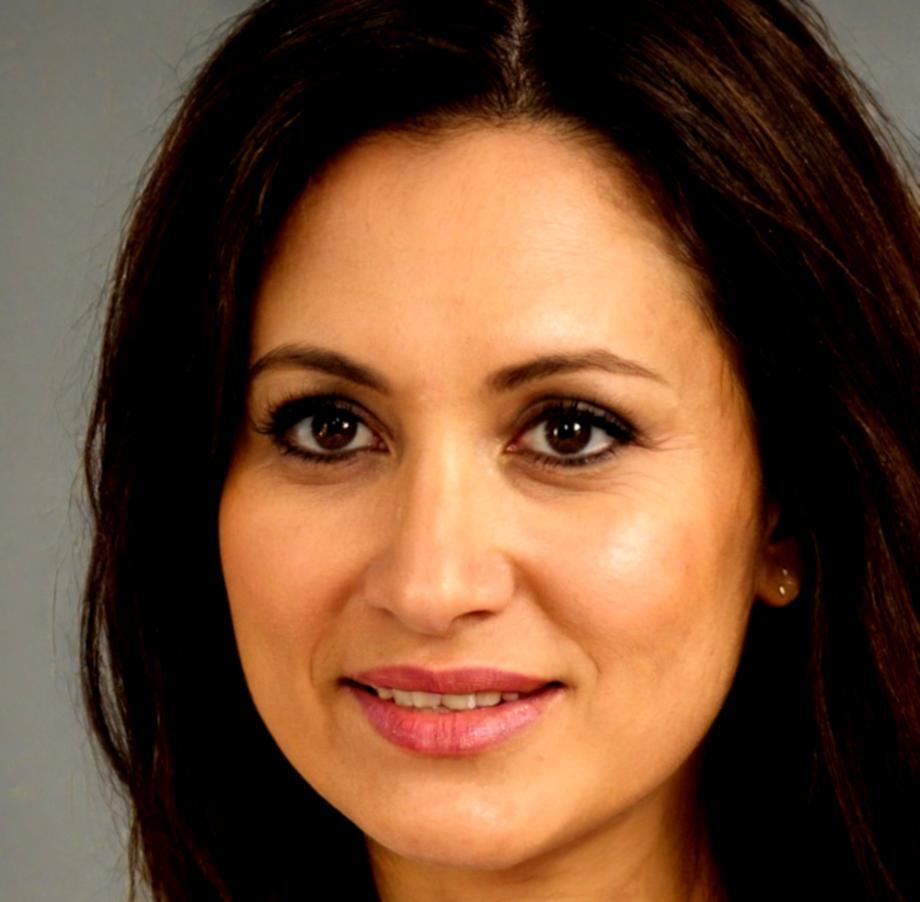
Marine professional sharing underwater career insights

Solveig Thatcher

Aquarium Dive Coordinator

Already had recreational diving experience but needed professional certifications for aquarium work. Program connected me with marine biology applications I hadn't considered. Now coordinate dive shows and tank maintenance at a major public aquarium.

  • Manages team of four dive staff members
  • Conducts educational dive presentations weekly
  • Oversees safety protocols for exhibit maintenance
  • Trains new divers in specialized aquarium techniques

Ready to Start Your Own Story?

Next program cohort begins October 2025. We're accepting applications through August. Space is limited to maintain quality instruction — typically 18-24 students per session.

Get Program Details