Building Careers Beneath the Surface
Back in 2018, I realized something important while watching students struggle to break into underwater tourism. The gap between diving certification and actual career readiness was wider than most people thought.
So we started comparissenusvsca with a simple goal—help people bridge that gap without the usual runaround. No fluff, no shortcuts. Just honest career development focused on what the industry actually needs.
Our approach comes from real experience working with dive operations across the Pacific Northwest and beyond. We know what employers look for because we've been on both sides of the hiring table.

How We Got Here
Starting a career development business in such a specialized field wasn't part of some grand plan. It happened because the need was obvious and nobody else was addressing it properly.
The Beginning
Founded comparissenusvsca in Seattle after noticing qualified divers couldn't land tourism jobs despite having technical skills. The problem wasn't ability—it was knowing how to present those skills professionally.
Program Expansion
Added specialized tracks for dive operations management and marine conservation careers. Partnered with twelve regional operators who needed trained staff but struggled with standard hiring channels.
Industry Recognition
Our career preparation model became a reference point for other underwater tourism training programs. Not because we're perfect, but because we focus on outcomes that matter to actual employers.
What Drives Our Work
These aren't corporate values we came up with during a brainstorming session. They're principles that emerged from watching what actually helps people succeed in underwater tourism careers.

Honest Assessment
We tell people upfront what skills they're missing and what it'll take to develop them. Career paths in this field take time—usually eighteen months from start to solid employment. Anyone promising faster results is probably overselling.
Industry Connection
Our guidance comes from ongoing conversations with dive operators, tour companies, and marine research organizations. What worked three years ago might not work now, so we stay current with hiring trends and skill requirements.
Practical Focus
Theory matters, but only when it connects to real situations. Our development programs emphasize scenarios you'll actually encounter—guest safety protocols, equipment troubleshooting under time pressure, customer service during challenging conditions.
Where We Focus
Career Path Planning
Most people enter this field thinking they'll be diving constantly. Reality is different—successful careers usually involve multiple skill areas and progression through several roles.
We help map realistic pathways based on your current experience and availability. Some people can transition quickly because they already have customer service backgrounds. Others need to build foundational skills first.
- Entry point assessment and gap analysis
- Timeline development for skill acquisition
- Alternative pathway exploration for various backgrounds
- Market positioning strategies for job searches
Professional Skill Development
Technical diving skills are table stakes. What separates candidates is professional competency—communication under stress, decision-making with incomplete information, handling difficult guests diplomatically.
These skills don't develop naturally for everyone. They require deliberate practice and honest feedback, which is what our development programs provide through structured scenarios and peer review.
- Guest interaction and safety communication protocols
- Equipment management and maintenance workflows
- Emergency response and problem-solving frameworks
- Business operations and customer relations
Industry Navigation
The underwater tourism field is smaller and more connected than people realize. Reputation matters significantly, and entry strategies vary depending on whether you're targeting commercial operations, research positions, or conservation roles.
We've spent years building relationships across these sectors and understanding their different hiring patterns. That context helps candidates approach opportunities more strategically.
- Sector-specific preparation for different employment types
- Networking approaches that respect industry culture
- Application materials tailored to diving operations
- Interview preparation for technical and cultural fit
Career Advancement Support
Getting your first position is one milestone. Building a sustainable career is another. Many people plateau early because they don't recognize advancement opportunities or don't know how to position themselves for progression.
Our support extends beyond initial placement—we work with people at various career stages who want to move into leadership, specialization, or different segments of the industry.
- Specialty certification planning and ROI assessment
- Leadership skill development for supervisory roles
- Business development for independent operators
- Career transition strategies within the field
Who's Behind This
We're a small team with deep experience in underwater tourism careers. Everyone here has worked in the field and understands the challenges from personal experience, not just theory.
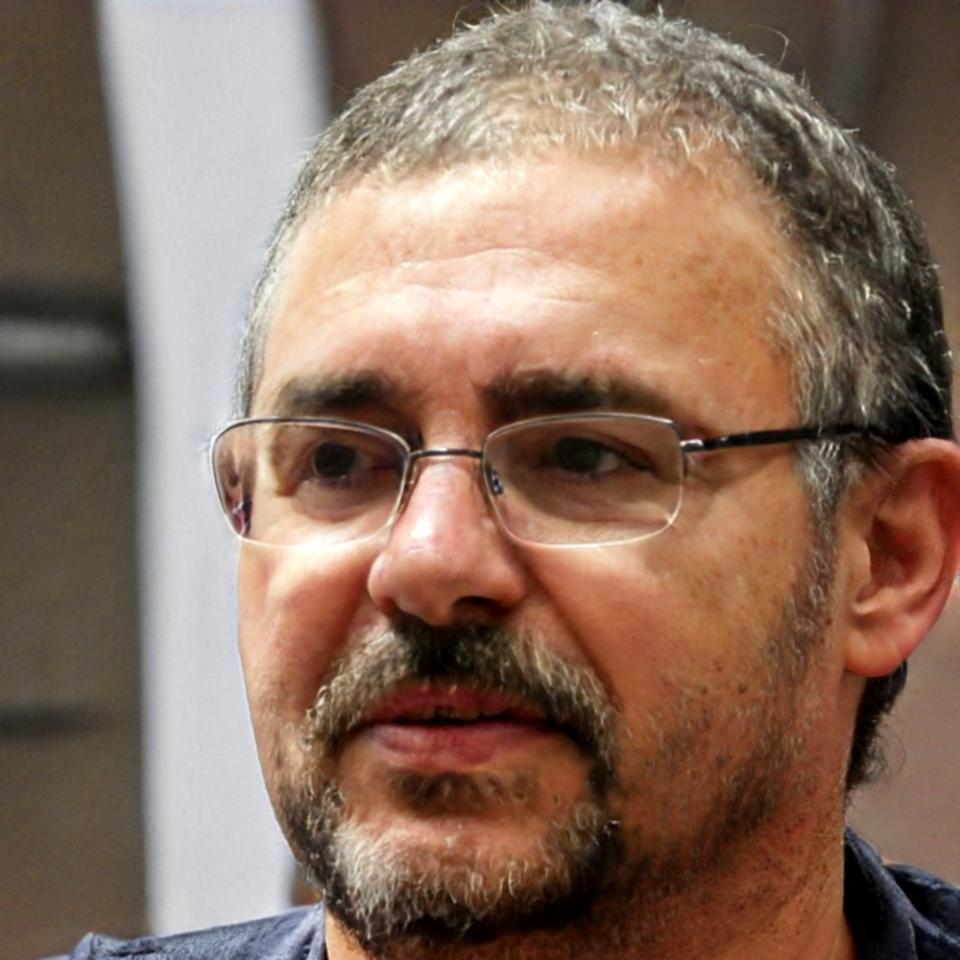
Stellan Vestergren
I spent eleven years working in dive operations before starting comparissenusvsca—everything from entry-level dive guide positions to operations management for a mid-sized charter company in the San Juan Islands.
That background taught me what actually matters when hiring in this field. Technical certifications are important, but they're just baseline requirements. The candidates who succeed demonstrate professionalism, adaptability, and genuine interest in guest experience.
Now I help people develop those qualities systematically rather than hoping they pick them up through trial and error. Career development in specialized fields needs specific knowledge, and that's what we provide.
Our Approach to Career Development
Assessment First
Every career development plan starts with understanding where someone currently stands. We evaluate technical skills, professional experience, and career goals through detailed conversations—not standardized tests that miss important context.
Customized Development
Cookie-cutter programs don't work because everyone starts from a different place. Some people need extensive professional skill development. Others have strong soft skills but need specific technical knowledge. We build plans around actual needs.
Industry Integration
Career preparation happens in context, not isolation. Our programs connect participants with working professionals, expose them to real operational challenges, and help them understand industry expectations before they're in job interviews.