Professional Dive Career Development Program
Starting in September 2026, we're launching a comprehensive training path for anyone serious about turning their passion for underwater exploration into a real career. This isn't a quick weekend course—it's a structured journey that takes you from foundational skills through advanced specializations.
We've spent the last eight months designing this program with input from working dive professionals, marine employers, and actual students who told us what they needed but couldn't find elsewhere.
Choose Your Career Track
Not everyone wants the same diving career. Some people dream of leading recreational dive groups in tropical destinations. Others are drawn to technical work—inspections, research support, or conservation projects that require different skills entirely.
Our program branches after the foundational phase. You'll spend the first four months building core competencies everyone needs, then move into specialized training that matches where you actually want to work.
We designed it this way because we kept meeting frustrated divers who'd completed generic certifications but still didn't feel ready for the specific jobs they wanted. The industry needs people with focused expertise, not just general credentials.
Request Program Details
Three Distinct Pathways
After completing foundational training together, students select a specialization track based on their career goals and the type of diving work that genuinely interests them.
Recreational Leadership Track
This path prepares you to work with dive centers, resorts, and tourism operators. You'll develop teaching skills, customer safety protocols, and the business knowledge needed to lead groups confidently.
Technical Diving Specialization
For students interested in deeper diving, wreck penetration, cave systems, or advanced equipment configurations. This track is physically demanding and requires additional prerequisites.
Marine Conservation & Research
Combines diving skills with scientific methodology for students who want to support research teams, conservation organizations, or environmental monitoring projects.
Learn From Active Professionals
Our instructors aren't just teaching diving—they're still actively working in the field. Dermot splits his time between teaching and leading technical diving expeditions. Vaughn runs a marine survey business when he's not here. You'll learn from people who deal with the real challenges of this work every day.
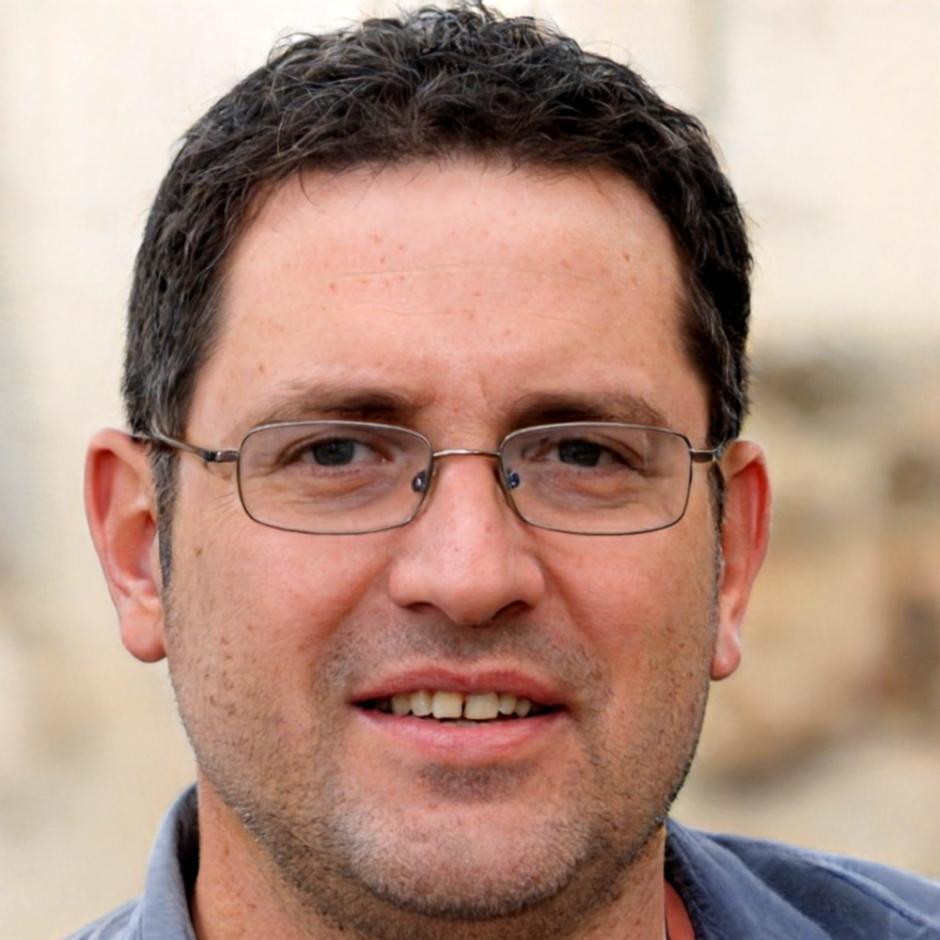
Dermot Strasburg
Dermot has over 3,200 logged dives across five continents. He spent seven years doing commercial diving work before transitioning to instruction and expedition leadership. He's particular about equipment configuration and has strong opinions about risk management that he's not shy about sharing.
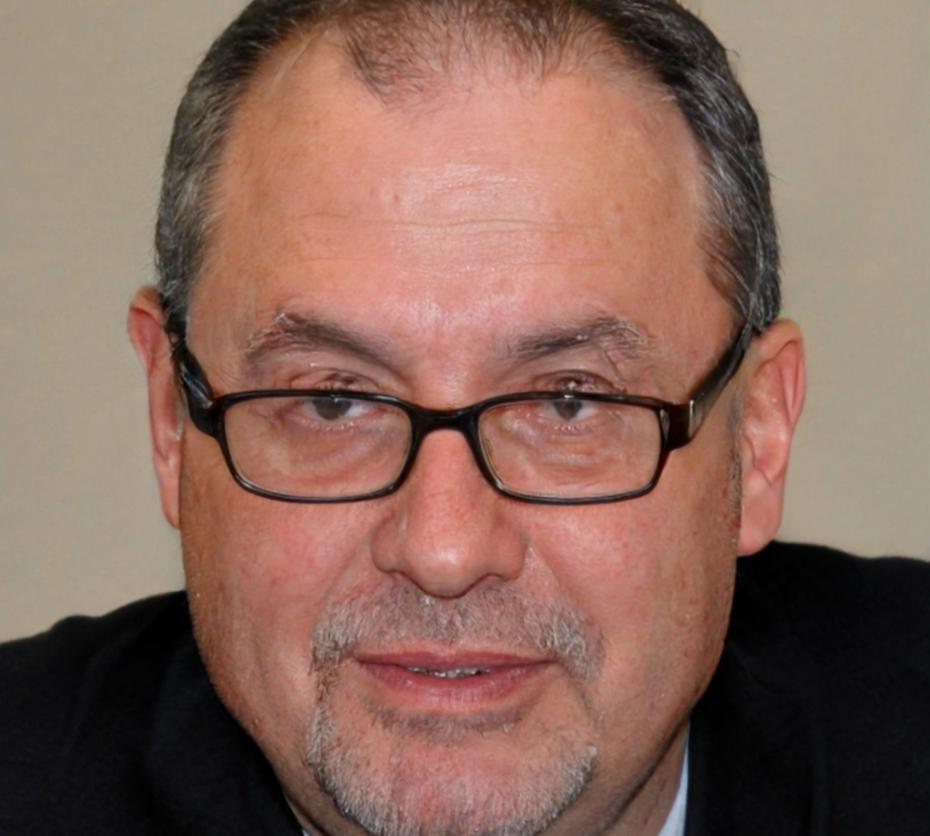
Vaughn Kirkeby
Vaughn worked with NOAA for six years before starting his own marine survey company. He teaches the science side of diving—how to collect reliable data underwater, why certain protocols matter, and what research organizations actually need from dive support staff.